The Geometry of Comfort: Why We Claim "Our" Spots

We are creatures of invisible boundaries.
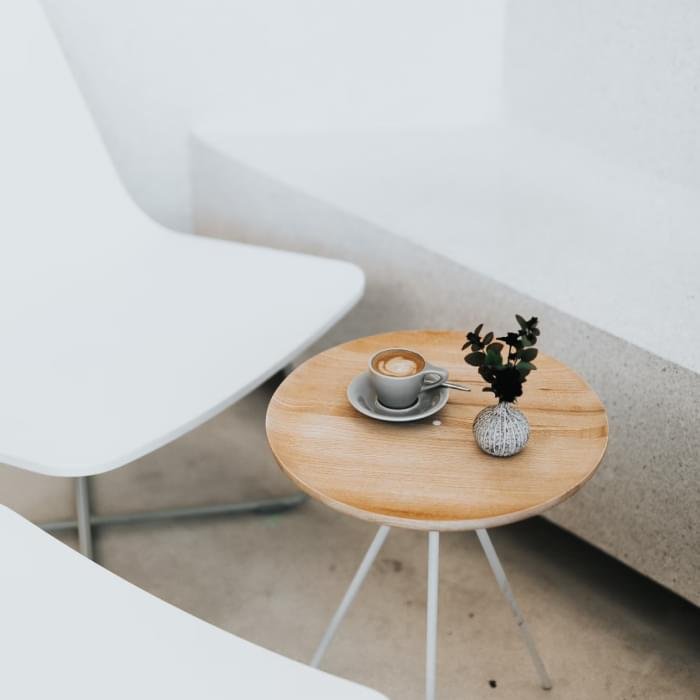
You walk into a coffee shop you’ve visited three times this week. You see the small corner table by the window, the one with the slightly wobbly leg and the perfect view of the street. Someone else is sitting there. Objectively, the table next to it is identical. It has the same wood grain, the same proximity to the power outlet, and the same distance from the espresso machine. Yet, you feel a genuine, microscopic pang of displacement. Your "spot" is gone.
Welcome to the minute folds of life. We often think of psychology as the study of grand traumas or major life milestones, but it lives most vibrantly in these tiny, quiet territorialities. This isn't just quirkiness; it’s a concept usually reserved for animal behavior, but one that humans execute with sophisticated subtlety.
The science of "claiming" is rooted in cognitive ease. When we choose a "favorite" seat in a library or a specific side of the bed, we are engaging in what psychologists call Place Attachment. Our brains are constantly looking for ways to reduce "cognitive load", the amount of energy it takes to process our surroundings. By claiming a spot, we create predictability. If the environment is "yours," your brain can stop scanning for threats or new variables. It can rest and start focusing on your latte or your laptop. We essentially begin to view the objects, the chair, the desk, the corner, as an extension of our own identity.
The "micro-stings" of displacement reveal our need for scaffolding. Why does it matter that you’re annoyed the "wrong" person is in your chair? Because it shows how much of our mental peace is built on a framework of tiny certainties. When that scaffolding is nudged, we experience minor stress. It’s the same reason we feel "off" when a family member moves the toaster to a different counter, or why we feel a sense of sweet victory when we find our preferred parking spot. These aren't just habits; they are the ways our psychology tries to "tame" the world.
This same mechanism explains the "weird" sensation of returning home after a long journey. Have you ever noticed how, after a week away, your own front door feels like the entrance to a stranger's house? For the first few minutes, the ceilings look higher, the air smells specific, and the shadows fall in unfamiliar ways. Because you’ve been away, your brain has stopped "auto-filling" the details of your life. You are seeing your home with a "Stranger’s Eye," witnessing the physical reality of your life before your memory has a chance to blur the edges.
The rush of happiness that follows is the sound of the self-re-locking into place. As you drop your keys and your eyes land on your favorite books or the specific wear on the rug, your nervous system begins a high-speed handshake with the environment. That relief isn't just about physical comfort; it is the profound psychological satisfaction of seeing your identity reflected back at you in every object. We don't just "go home"; we reoccupy a physical version of our own mind.
Living in the folds means noticing these quiet nudges. Next time you feel that flash of possessiveness over a seat in a public park, or that split-second of "otherness" when walking into your living room, don't brush it off. Pause and look at the fold. Your brain is constantly trying to build a home in a transient world- one chair, and one doorstep, at a time.




0 Comments
Leave a comment